Introduction
When a life hangs in the balance, every 2nd matters. Cardiopulmonary resuscitation (MOUTH-TO-MOUTH RESUSCITATION) emerges as a sign of hope, a skill that can turn despair right into survival. Annually, many individuals experience heart attack, and it's typically bystanders that have training from a first help course that save lives. This article dives deeply right into the life-saving significance of CPR, weaving in tales from real-life circumstances where CPR made all the difference. From recognizing the fundamentals to discovering relocating accounts of heroism, we will unwind the necessity of this skill in our everyday lives.
The Life-Saving Importance of Mouth-to-mouth Resuscitation: Stories from the Field
What is CPR?
Cardiopulmonary Resuscitation (CPR) is an emergency situation treatment executed on individuals whose heart has actually stopped beating or who have stopped breathing. This strategy combines breast compressions with fabricated air flow to keep blood flow and oxygenation till expert clinical aid shows up. Acknowledging its significance could mean the difference between life and death.
Why is CPR Important?
Every year, around 350,000 cardiac arrests occur outside health centers in the USA alone. According to research, instant CPR can increase or triple a target's chance of survival. By learning just how to do mouth-to-mouth resuscitation through correct CPR courses, you furnish yourself with the tools necessary to act decisively in emergencies.
Personal Accounts: Lives Altered Through CPR
An Onlooker's Account
Imagine a warm mid-day at a neighborhood park when unexpectedly, a guy collapses while jogging. Onlookers are frozen in shock until a single person advances-- their first aid certificate in hand and Hobart first aid certification for child care knowledge fresh from their current first aid and mouth-to-mouth resuscitation course They initiate CPR within mins, maintaining blood flowing to his heart and mind until paramedics arrive. This tale exemplifies how skilled individuals can make a life-saving difference.
A Kid's Brave Act
In an additional instance, an 11-year-old lady had simply completed her first help courses at institution when she experienced her father collapse at home because of heart attack. Remembering her lessons on doing upper body compressions and calling for help, she took care of to maintain him to life up until emergency situation services arrived. This touching story shows that age does not restrict one's ability to save lives; it simply takes proper training.
The Science Behind CPR
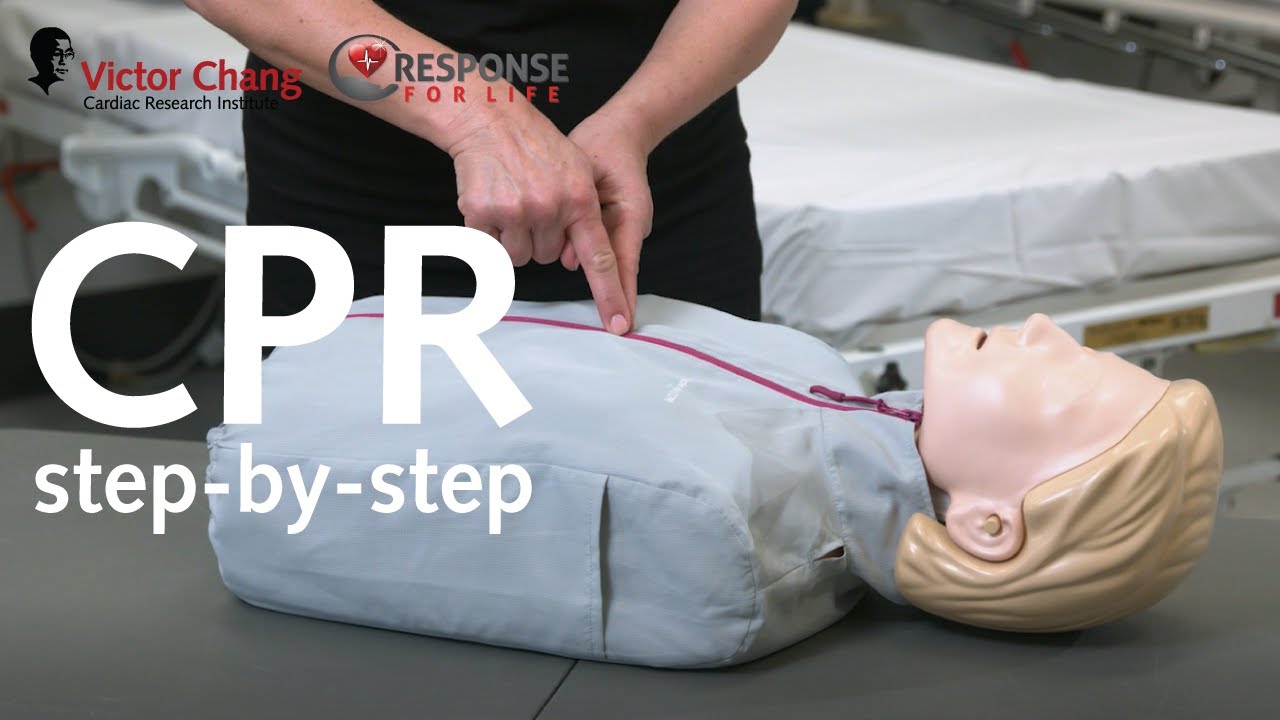
Performing CPR includes 2 crucial elements: chest compressions and rescue breaths. Breast compressions preserve blood flow while rescue breaths provide oxygen to vital organs.
- Chest Compressions: Pressing the chest at least 2 inches deep at a price of 100-120 compressions per min maintains blood circulating. Rescue Breaths: For adults, after every 30 chest compressions, 2 rescue breaths should be provided if trained to do so.
Understanding these strategies is paramount for anyone looking to tackle the obligation of saving one more's life.
Types of mouth-to-mouth resuscitation Courses Available
Community Courses vs. Specialist Training
Community-based courses are frequently designed for non-medical workers who desire fundamental knowledge.
Professional training courses provide particularly to doctor that need advanced abilities for crucial situations.
Online vs. In-Person Training
With innovation's improvement, several establishments now provide on-line options for those aiming to make their emergency treatment certifications comfortably:

- Online Courses: Adaptable organizing but may lack functional hands-on experience. In-Person Courses: Permit participants to practice strategies under specialist guidance however call for even more dedication pertaining to time and location.
Choosing the Right Course for You
Before enrolling in any training course, consider your objectives-- are you looking for individual skills or specialist certifications? Understanding your intent will lead you towards choosing an ideal program customized to fulfill your needs.
The Role of Emergency treatment and CPR Certification
Why Get Certified?
Certification from trustworthy companies offers reliability and reinforces your understanding about emergency situation actions:
- Employers commonly choose certified people for roles requiring first-aid readiness. Certification aids you remain updated with present standards that evolve based on study findings.
How Commonly Needs to You Restore Your Certification?
It's typically suggested that complete qualification be renewed every 2 years; nevertheless, some companies may suggest annual refreshers or workshops to preserve effectiveness in abilities discovered throughout your initial training.
Benefits Beyond Emergency Situations
Learning emergency treatment expands past simply performing mouth-to-mouth resuscitation; it includes identifying signs of stroke (using FAST), treating burns or wounds successfully, handling choking incidents-- all crucial abilities that add positively during emergencies.
The Emotional Effect of Understanding CPR
Building Self-confidence in Emergencies
One major benefit experienced by individuals that finish a first aid course is boosted self-confidence when confronted with potential emergency situations:
Knowledge minimizes fear.
You really feel empowered understanding you can make a difference if needed.
Overcoming Hesitation During Emergencies
Many individuals are reluctant when experiencing an emergency situation because of fear of making mistakes or intensifying scenarios; nevertheless:
- Having gone through training relieves concerns regarding incorrect techniques. Familiarity leads you towards instinctive activity as opposed to paralysis by analysis.
Real-Life Success Stories Post-CPR Training
Case Research study: The Lifeguard Incident
A lifeguard educated via regional neighborhood programs effectively restored a sinking sufferer using his gotten abilities:
Immediate analysis complied with by initiating rescue breaths.
Coordination with emergency -responders made certain prompt medical intervention post-rescue effort leading in the direction of recovery without lasting effects!
This instance highlights why routine involvement in such training courses elevates understanding around precaution within numerous settings like swimming pools or beaches!
Recognizing the Signs Very early On
Another account tells us regarding a specific aware enough after completing their emergency treatment training-- they observed a person having seizures while out grocery store shopping! As they stepped into activity rapidly analyzing symptoms effectively administering care before paramedics can arrive-- the result declared due persistance pays off!
Barriers to Discovering Emergency treatment and CPR
Common Misconceptions About Emergency treatment Training
Some think that first aid training calls for substantial clinical expertise or time commitment-- it does not! A lot of programs provide succinct yet detailed protection suitable for all levels-- from novices wanting basic information up through professionals seeking certifications!
Accessibility Issues
Access remains an issue due generally minimal accessibility concerning places providing these essential lifesaving abilities; hence companies have to function towards bridging spaces ensuring everybody obtains possibilities regardless geographical limitations!
How Communities Can Promote First Aid Awareness
Partnering With Regional Organizations
Communities can reinforce knowledge by partnering with health companies giving cost-free workshops covering subjects like standard first-aid methods emphasizing how crucial preparedness matters!
Schools executing instructional sessions teaching kids age-appropriate techniques fosters long-lasting benefits!
Senior facilities hosting workshops comforting older populations boosts neighborhood cohesion whereby sharing experiences urges involvement among peers better spreads understanding efficiently too!
Utilizing Social media site Platforms
Social media outreach serves as efficient methods increasing interest surrounding approaching events associated using understandings brought into play tales shared highlighting effective executions acting on learned techniques motivating others join activities producing society valuing security preparedness!
FAQs Regarding Emergency treatment and Mouth-to-mouth Resuscitation Training
What does a normal emergency treatment course cover?- A regular course covers topics such as injury treatment, choking management, identifying strokes/heart strikes along with hands-on technique performing breast compressions & & rescue breaths forming core foundation important lifesaving approaches included throughout emergencies!
- While online resources give versatility accessibility primary downside pertains do not have functional experience which is vital understanding these abilities for this reason integrating both formats frequently generate optimum results!
- Absolutely! Anybody aged nine years of ages & & over can undertake training regardless background-- no previous clinical know-how required!
- Most training courses vary anywhere from 6 hours up with 2 days depending depth web content covered including functional evaluations eventually leading in the direction of issuance acknowledged certifications reflecting capability acquired throughout process!
- Call emergency situation solutions instantly evaluate if aware check breathing beginning administering ideal actions based upon situational context therefore improving outcomes significantly!
- Generally talking renewals happen every two years; however extra refreshers might be required every year based upon details business criteria carried out regionally locally across the country responding developing practices consistently adjusting efficiently emerging challenges dealt with regularly!
Conclusion
The Life-Saving Importance of CPR can not be overemphasized-- it stands as not just an ability but an essential resource qualified altering destinies in the middle of uncertainty bringing hope where misery loomed overhead formerly avoiding loss human life unnecessarily taking place within communities everyday! Through actively engaging yourself going after certifications enabled acquiring tools essential dealing with potential situations with confidence making certain families pals shielded staying safe knowing assistance conveniently offered constantly close hand ready take part contributing favorably society overall reinforcing spirit resilience personified among people anywhere! Do not wait-- start your journey today by registering in an emergency treatment course or searching for local CPR courses near you; make sure you're prepared since you never understand when you might require it most!