Introduction: Understanding the Significance of First Aid Courses
First aid training courses are invaluable for any individual seeking to furnish themselves with life-saving abilities. Whether you are a parent, teacher, caretaker, or simply an interested individual, understanding emergency treatment can make all the distinction in emergency situation circumstances. However, there are numerous myths bordering these programs that may prevent individuals from enlisting. This write-up aims to disprove these false impressions and give clearness on what emergency treatment and CPR courses absolutely entail.

What is an Emergency treatment Course?
A first help course is a training program created to teach people how to respond successfully to medical emergencies. These training courses cover a variety of topics consisting of CPR (Cardiopulmonary Resuscitation), injury treatment, choking alleviation, and treatment for burns and cracks. Individuals normally discover with hands-on practice alongside theoretical expertise, allowing them to acquire confidence when faced with real-life scenarios.
The Importance of mouth-to-mouth resuscitation in Emergency Treatment Training
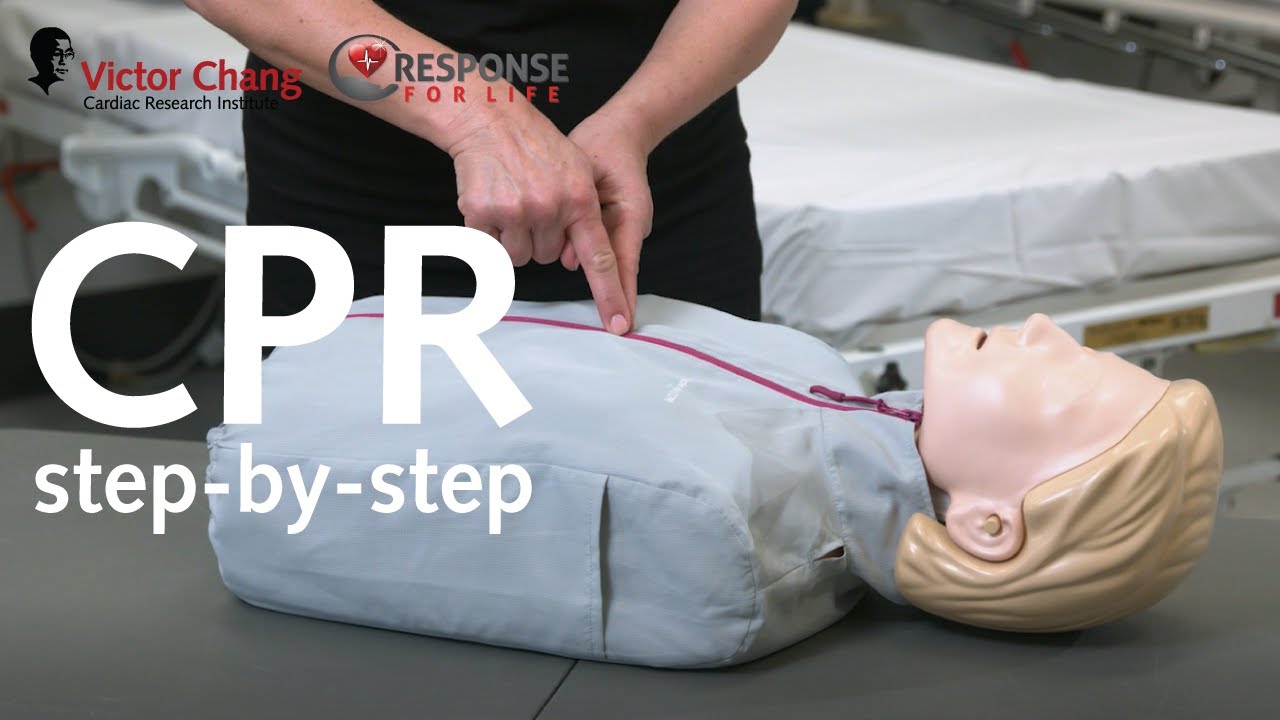
CPR is one of the most vital elements showed in emergency treatment courses. The capability to do mouth-to-mouth resuscitation properly can mean the difference between life and fatality for a person experiencing heart attack. In a lot of emergency treatment and mouth-to-mouth resuscitation training courses, participants are trained on the proper techniques for grown-up, kid, and baby mouth-to-mouth resuscitation. Additionally, they discover just how to use computerized exterior defibrillators (AEDs), which can considerably boost survival rates if used promptly.
Top Myths Concerning Emergency treatment Courses Debunked
Myth 1: Emergency treatment Courses Are Only for Medical care Professionals
One usual misunderstanding is that only healthcare specialists require to take emergency treatment courses. This could not be even more from the reality!
Why Everybody Need to Think about Taking an Emergency Treatment Course
Anyone can gain from learning basic emergency treatment skills despite their career. Emergency situations occur everywhere-- in homes, colleges, work environments, and public areas-- and having trained individuals readily available can conserve lives.

Myth 2: You Need to Be Healthy to Take a CPR Course
Many people think that being fit is a need for taking CPR courses.
Reality Check: No Physical Fitness Level Required
In reality, these programs are created for all health and fitness levels. While some physical jobs may be included (such as executing breast compressions), teachers adjust training techniques so everybody can participate fully.
Myth 3: First Aid Educating Is Too Made Complex to Understand
Another misconception revolves around the perception that emergency treatment training is as well complex or technical.
Simplifying Complicated Procedures
First help courses use straightforward language and useful presentations that make discovering accessible for everyone. Most Find more info individuals discover they can realize the principles with relative ease after just a few hours of training.
Myth 4: Accreditation Is Only Vital for Certain Professions
Some people think that acquiring a first help certificate is only useful if you work in particular fields like healthcare or education.
Certification Matters Across All Fields
In reality, several companies throughout numerous fields favor or call for staff members to have present first aid qualifications as part of their workplace security protocols.
Myth 5: When Trained, You Do Not Need Refreshers
People often believe that when they've completed their training, they're established for life!
Lifelong Knowing Is Key
However, clinical suggestions and treatments progress gradually. Normal correspondence course guarantee your abilities stay updated-- preferably every two years-- to keep your first help certificate status.
Myth 6: Online Training Is Just as Effective as In-Person Training
With online learning obtaining popularity, numerous think it provides an equal level of education and learning contrasted to in-person classes.
Hands-On Practice Trumps Display Time
While on the internet resources supply important details, nothing defeats hands-on method supplied by qualified instructors throughout in-person sessions where you can interact with equipment like AEDs and practice methods on mannequins.
Key Components of First Aid Courses
Understanding Various Types of First Aid Surges Available
When it pertains to picking a first help course, you'll discover various offerings tailored for various needs:
- Basic Life Assistance (BLS) Pediatric First Aid Wilderness First Aid Workplace Safety Training
Each kind emphasizes unique content based upon the environment where skills may be applied.
Importance of Hands-On Technique in Discovering Mouth-to-mouth Resuscitation Techniques
Why Practical Experience Matters Greater Than Concept Alone?
One major element that sets reliable emergency treatment programs apart is the hands-on experience they offer participants. Involving directly with resuscitation strategies enables students not just to comprehend but also preserve important details far better than via talks alone.
How Long Does It Take To Complete an Emergency Treatment Course?
Typical Period Varies Based upon Qualification Type
Generally speaking:
- Basic first-aid training might take anywhere from 4-8 hours. Comprehensive programs like First Aid and mouth-to-mouth resuscitation course could last as much as 16-20 hours over numerous days.
The period often relies on accreditation requirements or organizational needs.
What Is Covered in a Typical First Aid Course?
Key Subjects Normally Included
Recognizing emergencies Assessing targets' conditions Performing CPR Using AEDs Treating injuries & & burns Managing choking incidentsThese fundamental topics prepare individuals for different emergency situation scenarios they'll likely run into throughout life.
FAQs Concerning Emergency treatment Courses
FAQ 1: What need to I offer my emergency treatment course?
Most training courses give equipment; nonetheless, bringing personal note-taking materials can assist enhance your understanding during sessions.
FAQ 2: Just how frequently ought to I restore my certification?
Typically every two years is advised; this ensures you're updated on any changes in guidelines or treatments within first-aid practices.
FAQ 3: Can I get my certification online?
While some components might be finished online (like concept), sensible abilities should generally be shown in person under guidance before qualification is granted.
FAQ 4: Do I require prior experience prior to enrolling?
No previous experience necessary! A lot of beginner-level classes invite those without any background understanding whatsoever; they're developed specifically for newcomers!
FAQ 5: What influence does learning first-aid contend my workplace?
Having accredited staff fosters an environment where security comes to be focused on-- it furnishes associates with important abilities leading in the direction of quicker responsiveness throughout unanticipated events!
FAQ 6: Exist unique considerations regarding kids's safety and security when learning about pediatric-first-aid?
Absolutely! Pediatric-specific programs concentrate heavily on age-related nuances making sure caregivers feel confident responding properly when confronted with emergency situations including infants/children!
Conclusion
Understanding the top misconceptions about first aid courses aids demystify this necessary training while motivating prevalent involvement throughout demographics who may or else hesitate due misconceptions! Not just does finishing such programs equip individuals within areas-- they also foster much safer settings via enhanced recognition paired with readiness amongst residents anywhere aiming in the direction of improved health and wellness outcomes overall! So don't hesitate-- sign up today right into among those impactful CPR or various other pertinent first-aid-courses!